














As the print industry continues its rapid transformation, numerous business owners are scrutinizing the bottlenecks hindering their production processes. Regardless of whether they specialize in packaging, signage, commercial print, or niche applications, these challenges often manifest similarly. Failure to address them promptly can adversely affect profitability, turnaround time, and customer satisfaction.
Below, a comprehensive overview of the critical challenges faced by many print businesses currently, emphasizing their significance for planning in 2026.
1. Space Constraints → Compact, High-Output Machines
Growing a print business is tough when your floor space stays the same. Older machines take up room, restricting movement of new incoming machines or multi machine setups.
Consideration: compact devices with more capability in less footprint.
-
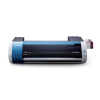
Roland DG Print & Cut models merge two machines into one functional model. There is no need separate print and cutting stations.
-
HP Latex R530 delivers hybrid printing (flexible + rigid) in a surprisingly compact body, unlocking applications without needing a much bigger space as compared to other similar solutions.
These give owners far more output without expanding their premises.
2. Lack of Skilled Operators → Easy, Guided, Automated Operation
Training new staff is difficult when equipment is complex. Labour-intensive setups create bottlenecks, stress, and mistakes.
Consideration: machines designed for ease-of-use and automation.
-
HP Latex Series: built-in step-by-step visual guides for usage and maintenance.
-
Roland DG printers: known for their short learning curve and operator-friendly design.
Teams get productive faster without relying on highly specialised operators.
3. Lost Business Opportunities → Broader Applications & Media
When equipment can’t handle certain materials or specialty jobs, owners end up turning customers away.
Consideration: versatile printers that open new revenue streams.
-
Roland DG MO-240 / LG-240: ECO-UV systems capable of printing on objects, labels, and many specialty surfaces.
These machines help owners say “yes” to more jobs ranging from custom pieces to premium short runs.
4. Old Tech, Constant Problems → Scalable, Reliable Modern Platforms
Many shops hold onto old printers because they “still work,” but instability, colour shift, and slow speeds quietly eat into profit.
Consideration: modular systems that grow with the business.
-
Canon Colorado M5W: start with an M3 and upgrade to the M5W series as workload grows with in-field upgrades.
-
HP FS-Series: backward-compatible productivity upgrades let older models (like the FS50W) gain access to improvements in future product launches.
Modern platforms reduce downtime and give owners room to scale without replacing entire machines.
5. Inconsistent Color Output → Stable, Repeatable Accuracy
Colour shift causes reprints, wasted media, and unhappy customers, especially in brand-critical jobs.
Consideration: engines built for consistent output.
-
Canon Colorado M5W uses UVgel technology to deliver exceptional repeatability, even months apart.
Stable colour means fewer complaints and better margins.
6. Labor-Intensive Workflows → Automation & Faster Switching
High-mix, fast-turnaround production is nearly impossible when operators must manually manage every step.
Consideration: automation that shortens switching time and reduces handholding.
-
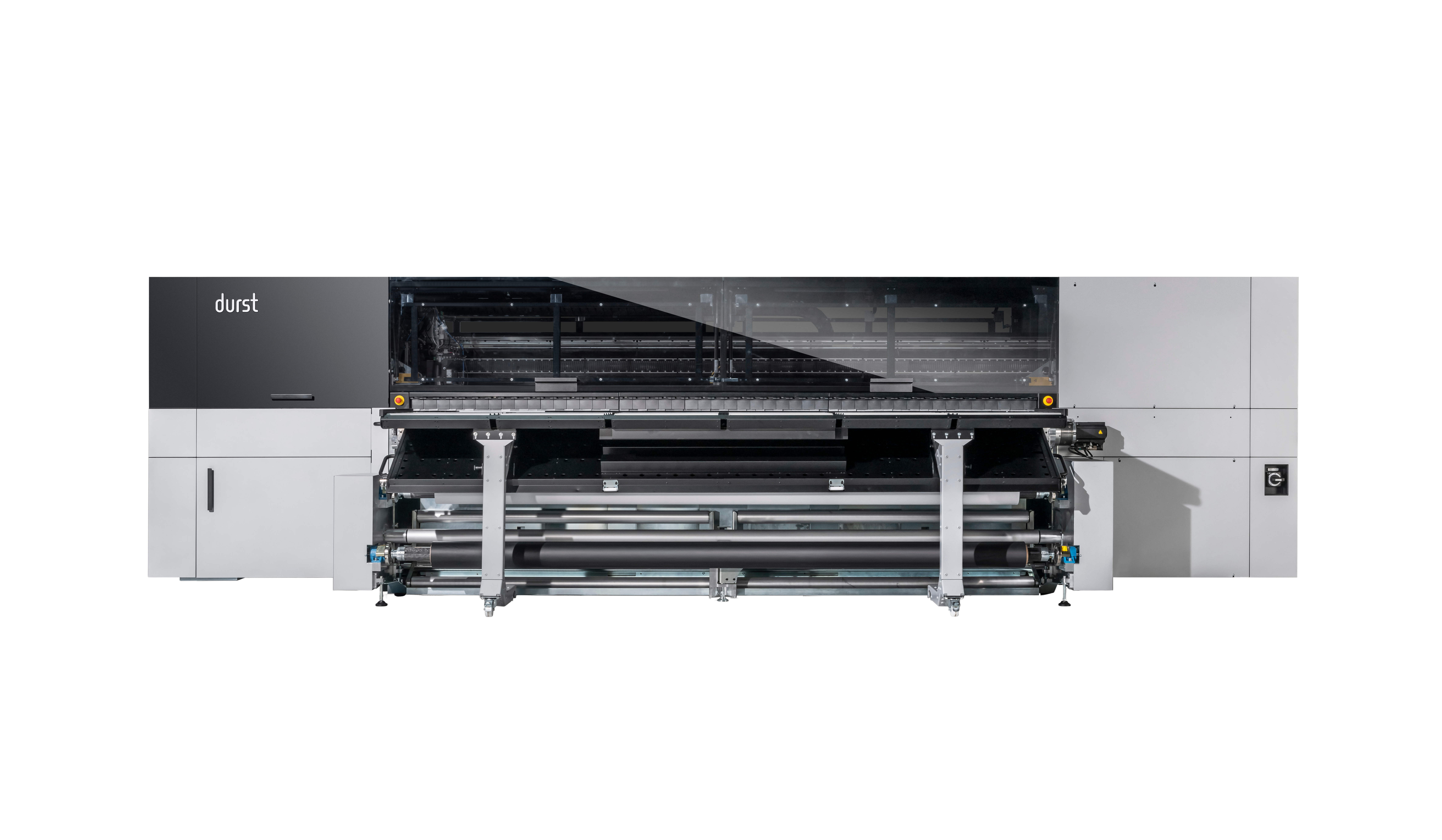
Durst P5 350 brings easy material handling and fast mode switching, making it ideal for busy environments running multiple job types.
Businesses gain speed, flexibility, and consistency, even with leaner teams.
7. Unorganized Workflow → Integrated Solutions & Data Visibility
Scattered job files, manual routing, and no visibility into ink usage or cost-per-job slow everything down.
Consideration: integrated ecosystems that centralize jobs and data.
-
HP PrintOS Production Hub: real-time monitoring, job management, cost analytics, remote control.
With better visibility, owners reduce errors and make decisions based on real data.
Increasing Pressure from Customers and the Market
Customer expectations continue to rise. Fast delivery, consistent color, customization, and high-quality output are now non-negotiable requirements. Falling short results in lost clients and missed revenue, particularly in markets where margins are already narrow.
As you plan for your 2026 equipment and workflow requirements, these challenges provide a valuable perspective. Addressing even a few of them can unlock substantial gains in efficiency, capability, and profitability. If you would like a personalized assessment of areas where improvements can yield the most significant impact, we can assist you.